
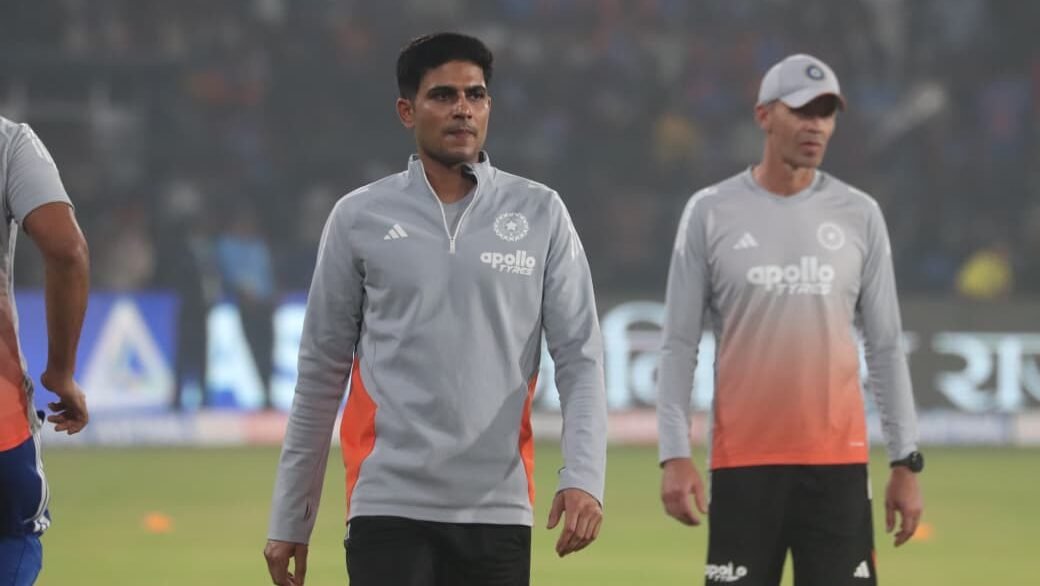
The omission of Shubman Gill from India’s T20 World Cup squad has sent shockwaves through the cricketing world. For years, Indian cricket has battled an unspoken yet powerful force—star culture. Big names often carried weight beyond current form, sometimes influencing selection decisions. However, Gill’s exclusion marks a defining moment: a clear signal that reputation alone no longer guarantees a place in the team.
This decision represents more than a tactical call; it symbolizes a cultural reset in Indian cricket.
The End of Automatic Selections
Historically, Indian cricket has struggled to balance merit with marketability. Star players brought sponsorships, fan engagement, and stability, but this often came at the cost of deserving performers waiting on the sidelines. Selection debates were frequently clouded by a player’s past achievements rather than present suitability.
Gill’s omission suggests that selectors are now prioritizing role clarity and current impact over long-term potential or popularity. In T20 cricket, especially at the World Cup level, the margin for error is minimal. Teams need specialists who can deliver immediately—not players who are still “projects for the future.”
Why Gill’s Case Is So Significant
Shubman Gill is not an average name. He is widely considered one of India’s finest batting talents, a consistent performer in ODIs and Tests, and a player with strong domestic and IPL numbers. Leaving such a high-profile cricketer out of a global tournament would have been unthinkable a few years ago.
But T20 cricket demands a specific skill set:
- High strike rate from ball one
- Adaptability to different roles
- Ability to dominate modern bowling attacks
- Match-up flexibility
Selectors appear to have decided that Gill, despite his immense talent, did not fit the specific tactical requirements of India’s T20 World Cup plans. This clarity is a sign of maturity in the selection process.
From Stars to Systems
Indian cricket seems to be shifting from a player-centric model to a system-driven approach. Instead of building teams around individuals, the focus is now on:
- Defined batting and bowling roles
- Match-up based selections
- Form over fame
- Performance under pressure
This approach mirrors successful global teams that prioritize adaptability and depth rather than reliance on a few superstars. It also reduces over-dependence on individuals, making the team more resilient during high-stakes tournaments.
Message to the Dressing Room and Beyond
Gill’s omission sends a strong message—not just to current players, but to the entire cricketing ecosystem. No one’s place is guaranteed. Performance, fitness, and tactical relevance matter more than brand value.
For younger players, this is empowering. It reinforces the idea that:
- Strong domestic and franchise performances will be rewarded
- Selection is competitive and transparent
- Opportunities are earned, not inherited
For established names, it is a reminder that continuous evolution is essential in modern cricket.
Fan Reaction and the Reality Check
Predictably, the decision has divided fans. Supporters of Gill argue that leaving out a player of his caliber weakens the squad. Critics, however, see this as a long-overdue step toward fairness and modernization.
The truth likely lies in between. Gill’s time in T20 cricket is far from over. But global tournaments are not development platforms—they are results-driven events. Selectors have chosen immediacy over long-term investment, and that choice reflects a clearer understanding of tournament dynamics.
A Healthier Future for Indian Cricket
The dismantling of star culture doesn’t mean disrespecting great players. It means placing the team above individuals. When selections are based on role suitability and form, competition improves, bench strength grows, and complacency disappears.
This shift could lead to:
- Better workload management
- More fearless selections
- Reduced pressure on individuals
- Stronger team balance
It also aligns Indian cricket with modern high-performance environments where emotion takes a backseat to efficiency.
What Lies Ahead for Gill
For Shubman Gill, this omission could be a turning point rather than a setback. Many great careers have been reshaped by moments of exclusion. With his skill set, adaptability, and work ethic, Gill remains a long-term asset across formats.
If anything, this decision might push him to:
- Refine his T20 game
- Expand shot selection
- Improve strike-rate consistency
- Return stronger and more versatile
Indian cricket is not closing the door on him—it is simply demanding more clarity of role.
What Gill’s Omission Signals About India’s Selection Philosophy
Shubman Gill’s exclusion from the T20 World Cup squad is not an isolated decision—it reflects a broader shift in India’s selection philosophy. The team management appears to be prioritizing role clarity, adaptability, and current impact over reputation and long-term promise. In modern T20 cricket, players are no longer selected for who they might become, but for what they can deliver immediately under pressure.
Gill’s strength lies in consistency and classical stroke play, traits traditionally valued in longer formats. However, the T20 World Cup demands explosive intent from the first ball, flexibility in batting positions, and the ability to dominate specific match phases. Selectors seem convinced that India’s current combination better fits these requirements.
From Star Power to System Power
For years, Indian cricket was driven by star culture, where marquee names were automatic selections. Gill’s omission signals a move away from that mindset toward a system-driven approach. Performance metrics, matchup suitability, and tournament-specific roles now hold greater weight than popularity or fan expectations.
This evolution mirrors trends seen in successful franchise teams worldwide, where no player is bigger than the system. If a skill set does not align perfectly with team strategy, even top performers can miss out.
Opportunity for Reinvention
While the omission may seem harsh, it also presents Gill with an opportunity. Many great players have used similar setbacks to redefine their games. A refined powerplay approach, improved strike rotation under pressure, or greater finishing ability could bring him back into T20 contention stronger than before.
Conclusion: A New Era of Ruthless Selection
Gill’s exclusion underlines a hard truth—modern international cricket is unforgiving. Selection is no longer about legacy, but alignment. India’s T20 World Cup squad reflects a team willing to make bold calls in pursuit of trophies, even if it means sidelining one of its brightest stars.
The message is clear: adaptability beats reputation, and the era of guaranteed selections is truly over.






Leave a Reply