
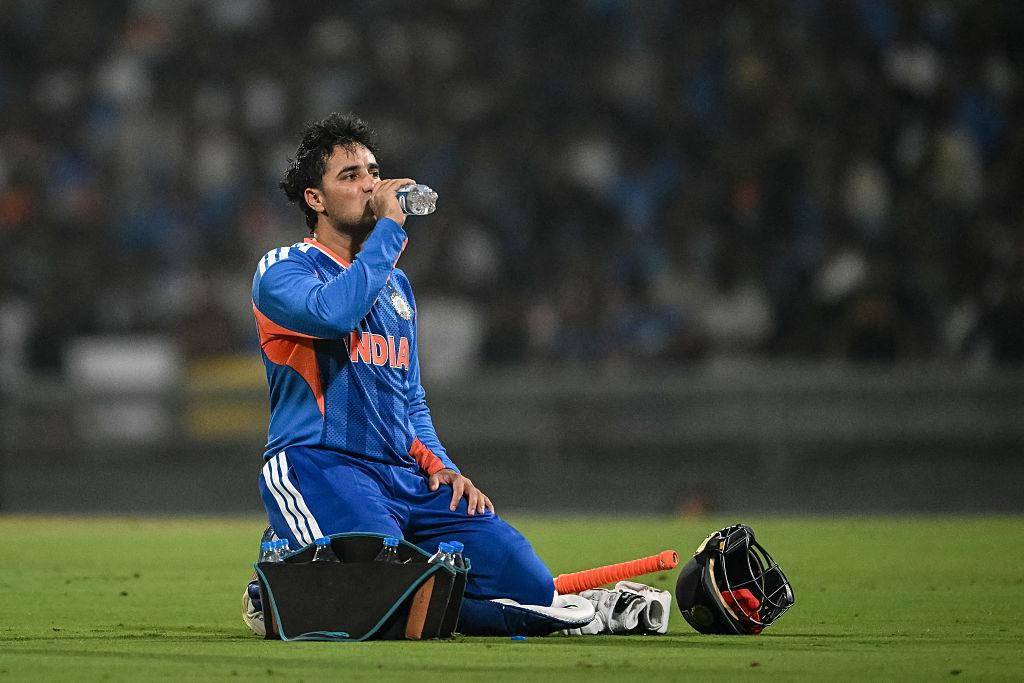
The 2026 T20 World Cup was expected to be a defining tournament for Abhishek Sharma. Coming in with strong domestic performances and a reputation for fearless batting, he was seen as a key part of India’s aggressive top-order strategy. However, as the tournament progresses, questions are growing louder: Why is Abhishek Sharma struggling to convert starts into meaningful contributions?
While fans debate on social media, coaches and former players have offered measured insights into what might be happening behind the scenes.
The Expectation Factor
One of the biggest challenges for any young cricketer is handling expectations on the global stage. Abhishek entered the tournament as a dynamic left-handed batter known for attacking bowlers early. With that reputation comes pressure — not just to score runs, but to dominate.
Coaches believe that the weight of expectation may be influencing his shot selection. Instead of playing according to the match situation, he appears to be forcing the pace at times, attempting high-risk strokes too early in his innings.
At the World Cup level, bowlers are quick to exploit even the smallest technical lapse.
Technical Adjustments Opponents Have Made
International teams spend extensive time analyzing opponents. In Abhishek’s case, bowlers have identified patterns in his approach.
Coaching staff point out that:
- He is being targeted with hard lengths early.
- Bowlers are limiting width outside off stump.
- Spinners are varying pace to disrupt timing.
Such strategies reduce his ability to free his arms and play attacking strokes. Without early boundaries, the pressure naturally builds.
This tactical awareness from opposition teams is a major factor in his reduced scoring impact.
Shot Selection Under Pressure
Another recurring observation from coaches is shot selection. Abhishek’s strength lies in fearless intent, but in high-pressure matches, intent must be balanced with discipline.
There have been instances where:
- He attempted cross-batted shots against moving deliveries.
- He misjudged slower balls.
- He played aerial strokes without proper control.
These dismissals suggest not a lack of ability, but perhaps a lack of patience in crucial moments.
Experienced coaches emphasize that T20 cricket still rewards calculated aggression rather than reckless hitting.
Adapting to Tournament Conditions
Pitch conditions in the 2026 T20 World Cup have varied significantly. Some surfaces have offered seam movement early, while others have slowed down in middle overs.
Abhishek’s natural game thrives on flat pitches where the ball comes onto the bat. On slower surfaces, timing becomes harder, and risk increases.
Coaches believe adaptability is key at this stage. The ability to read conditions quickly separates consistent performers from inconsistent ones.
The Mental Side of Struggles
Cricket is as much mental as technical. When a player goes through a lean patch, even small mistakes feel magnified.
According to support staff, Abhishek remains confident in training sessions. However, translating net practice rhythm into match performance is a different challenge.
Repeated early dismissals can subconsciously influence decision-making. This mental pressure sometimes leads players to overcompensate with aggressive strokes.
Coaches have reportedly been working with him on maintaining clarity and sticking to simple plans.
Role Clarity in the Batting Order
Another aspect discussed by analysts is his role definition. Is Abhishek expected to attack from ball one, or should he build innings?
If a player lacks clarity about his responsibility, hesitation can creep into his approach.
Coaches have highlighted the importance of:
- Clear communication about batting expectations.
- Flexibility based on match situation.
- Supporting young players with defined roles.
Establishing clarity could help him regain rhythm.
Team Dynamics and Competition
In major tournaments, internal competition for places can also impact performance. With several talented batters waiting for opportunities, the pressure to secure a spot becomes intense.
Abhishek’s position in the playing XI depends on delivering impact performances. That awareness can sometimes push players into risk-heavy strategies.
Coaches maintain that long-term development should not be overshadowed by short-term results.
What Needs to Change?
Based on expert opinions, Abhishek’s path back to form involves:
- Playing a few deliveries to settle before attacking.
- Trusting his defensive technique early.
- Rotating strike to reduce pressure.
- Selecting bowlers carefully to target.
Small tactical adjustments can often produce big improvements.
The Bigger Picture
It is important to remember that young players often face ups and downs early in their international careers. Many established stars experienced similar phases before becoming consistent match-winners.
Abhishek’s talent remains unquestioned. His ability to clear boundaries, contribute with spin, and energize the team makes him an asset.
Temporary struggles should be viewed as part of the growth process rather than permanent setbacks.
Support from the Coaching Staff
Team coaches have publicly expressed confidence in Abhishek’s ability. They acknowledge the challenges but emphasize patience and backing.
Confidence from management plays a crucial role in rebuilding momentum. Knowing that the team supports him can help ease mental pressure.
Final Thoughts
Abhishek Sharma’s struggles in the 2026 T20 World Cup stem from a combination of tactical targeting by opponents, shot selection under pressure, and adaptation challenges to varied conditions.
However, such phases are not uncommon for young cricketers adjusting to global tournaments. With guidance from coaches and small technical refinements, he has the potential to bounce back strongly.
In high-level cricket, resilience often defines greatness. If Abhishek learns from this period and adapts effectively, this challenging phase could ultimately shape him into a more complete and consistent player.




Leave a Reply